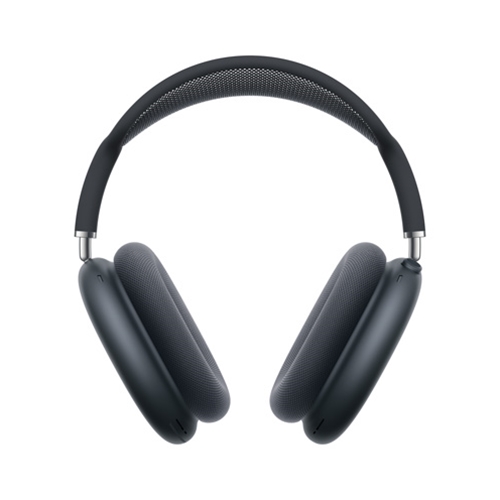
The Rise of Wireless Audio: How AirPods Redefined Listening
The rise of wireless audio has transformed the way we experience sound, with products like Apple's AirPods leading the charge. When they were first introduced in 2016, AirPods not only offered a convenient alternative to traditional wired headphones but also eliminated the hassle of tangled cords. Their seamless integration with the Apple ecosystem, combined with features such as automatic pairing and touch controls, redefined listening for millions. This innovation has not only made listening to music more enjoyable but has also paved the way for a broader acceptance of wireless audio technology across multiple platforms.
As the demand for wireless audio continues to grow, it’s clear that AirPods have set a new standard. Consumers are increasingly prioritizing wireless listening experiences for activities like commuting, exercising, and even working from home. With advancements in battery life, sound quality, and personalized features like spatial audio, the appeal of wireless audio devices extends beyond just convenience. As we move forward, it’s evident that the evolution sparked by AirPods will lead to even greater innovations in audio technology and how we engage with sound in our daily lives.
Counter-Strike is a popular tactical first-person shooter game that emphasizes teamwork and strategy. Players can choose to be part of either the terrorist or counter-terrorist team, with objectives ranging from planting bombs to rescuing hostages. For those who enjoy gaming on the go, check out the Top 10 Hard Shell Cases for AirPods to protect your gear while you play.
Are Wired Headphones Obsolete? The Case for Going Wireless
As technology continues to evolve, many consumers are asking the question: Are wired headphones obsolete? With the growing popularity of wireless audio devices, it seems that the convenience and versatility of wireless headphones have made a significant impact on the market. Wireless headphones eliminate the hassle of tangled cords and allow users the freedom to move around without being tethered to their devices. Features such as Bluetooth connectivity, longer battery life, and improved sound quality have further contributed to this trend, making wireless options increasingly appealing.
Moreover, companies are now focusing on enhancing the wireless headphone experience, introducing innovations like noise cancellation and touch controls that were once exclusive to wired models. While some audiophiles still argue that wired headphones provide superior sound quality, the gap is narrowing as many wireless models are now capable of delivering high-fidelity audio. Ultimately, it appears that the case for going wireless is gaining traction, making wired headphones seem increasingly outdated in today's fast-paced, mobile-driven world.
What Sets AirPods Apart? A Comprehensive Comparison with Other Wireless Earbuds
When it comes to wireless earbuds, AirPods have carved a niche that sets them apart from the competition. One of the key differentiators is their seamless integration with Apple's ecosystem. Users of devices like the iPhone or MacBook will find that AirPods connect automatically, making them incredibly convenient for those already invested in Apple's technology. With features like Spatial Audio and Adaptive EQ, they also offer an immersive sound experience that is hard to match, enhancing everything from music to movies.
In contrast, other wireless earbuds often fall short in terms of consistent performance and user experience. While brands like Samsung and Sony provide solid alternatives, they struggle with connectivity stability and battery life compared to AirPods. For instance, many users report that the in-ear fit of competing earbuds can be uncomfortable for extended use. Additionally, models like the Sony WF-1000XM4 may boast superior noise cancellation, but they often require more manual setup and maintenance compared to the user-friendly nature of AirPods.