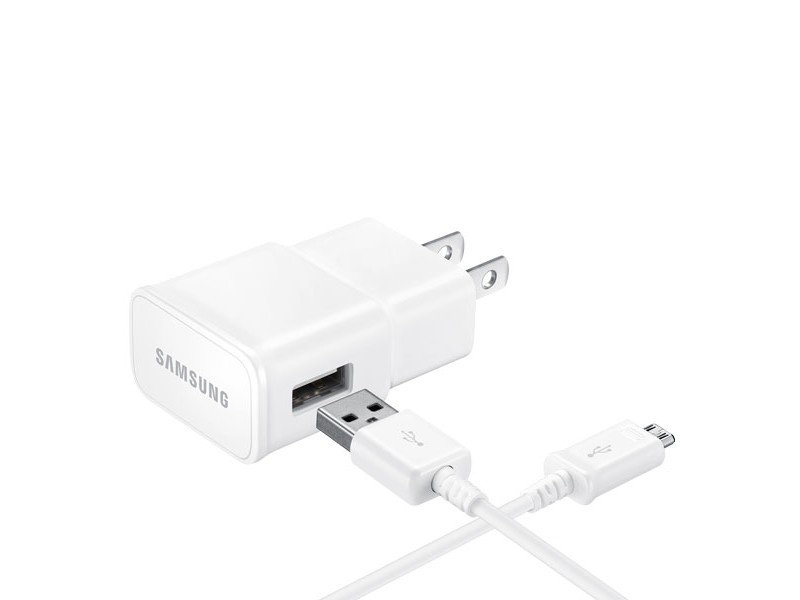
The Hidden Risks of Fast Charging: What You Need to Know
Fast charging technology has revolutionized the way we power our devices, allowing users to charge their smartphones, tablets, and laptops in a fraction of the time compared to traditional chargers. However, many are unaware of the hidden risks of fast charging. One major concern is the potential for overheating. As devices draw higher currents, they generate excess heat, which can lead to battery damage, degradation over time, and even safety hazards. It's crucial to monitor the temperature of your device while charging and to use chargers that are certified for your specific model.
Additionally, utilizing non-certified fast chargers can exacerbate these risks. These chargers may not have the necessary protections in place to manage voltage levels, leading to scenarios where your device could be overcharged or charged unevenly. Over time, this can significantly affect battery performance and lifespan. Therefore, understanding the risks of fast charging and investing in quality, manufacturer-recommended chargers is essential for maintaining the health of your devices. Consider alternatives like slow charging during the night for a safer option, even if it requires more time
Counter-Strike is a popular first-person shooter game that has been a staple in the gaming community since its initial release in 1999. Players engage in team-based combat, choosing between the Terrorists and the Counter-Terrorists to complete objectives such as bomb defusals or hostage rescues. The game has evolved over the years, with titles like Counter-Strike: Global Offensive leading the scene. For those who appreciate quality accessories for their tech, be sure to check out the Top 10 fast chargers for iPhone to enhance your gaming experience.
Fast Chargers vs. Standard Chargers: Is the Trade-off Worth It?
When it comes to charging your devices, the choice between fast chargers and standard chargers can significantly impact your user experience. Fast chargers are designed to deliver higher voltage and current outputs, which can reduce charging time substantially. For instance, a fast charger can often charge a smartphone to 50% in just 30 minutes, while a standard charger might take over an hour to reach the same level. This speed can be particularly beneficial for those on the go or for users with limited time to charge their devices. However, it's crucial to consider the compatibility of your device; not all devices support fast charging, and using a fast charger on an incompatible device may not yield noticeable benefits.
On the flip side, there are some trade-offs to using a fast charger. For example, frequent use of high-powered charging can lead to increased heat generation, potentially affecting battery longevity over time. Furthermore, fast charging technology often comes at a higher cost, both in terms of the charger itself and its energy consumption. Therefore, consumers should weigh the benefits against the trade-offs before deciding. In conclusion, if rapid charging and convenience are your top priorities, a fast charger might be the right choice. However, if you're more concerned about long-term battery health and cost, a standard charger could serve you just as well.
Can Fast Charging Damage Your Battery Long-Term?
With the increasing adoption of fast charging technologies, many smartphone and device users are concerned about the impact of this feature on battery longevity. Can fast charging damage your battery long-term? The short answer is that while fast charging does generate more heat and may lead to slight increases in battery wear over time, modern devices are equipped with sophisticated charging management systems that mitigate these effects. Manufacturers implement various strategies, such as thermal regulation and adaptive charging speeds, to protect the battery during rapid charging cycles.
Furthermore, the composition of lithium-ion batteries has improved significantly, making them more resilient to the stresses of fast charging. According to several studies, the long-term damage caused by occasional fast charging is minimal compared to the benefits of convenience. However, it’s still advisable to follow best practices for battery care, such as avoiding extreme temperatures and not allowing your device to remain on the charger longer than necessary.