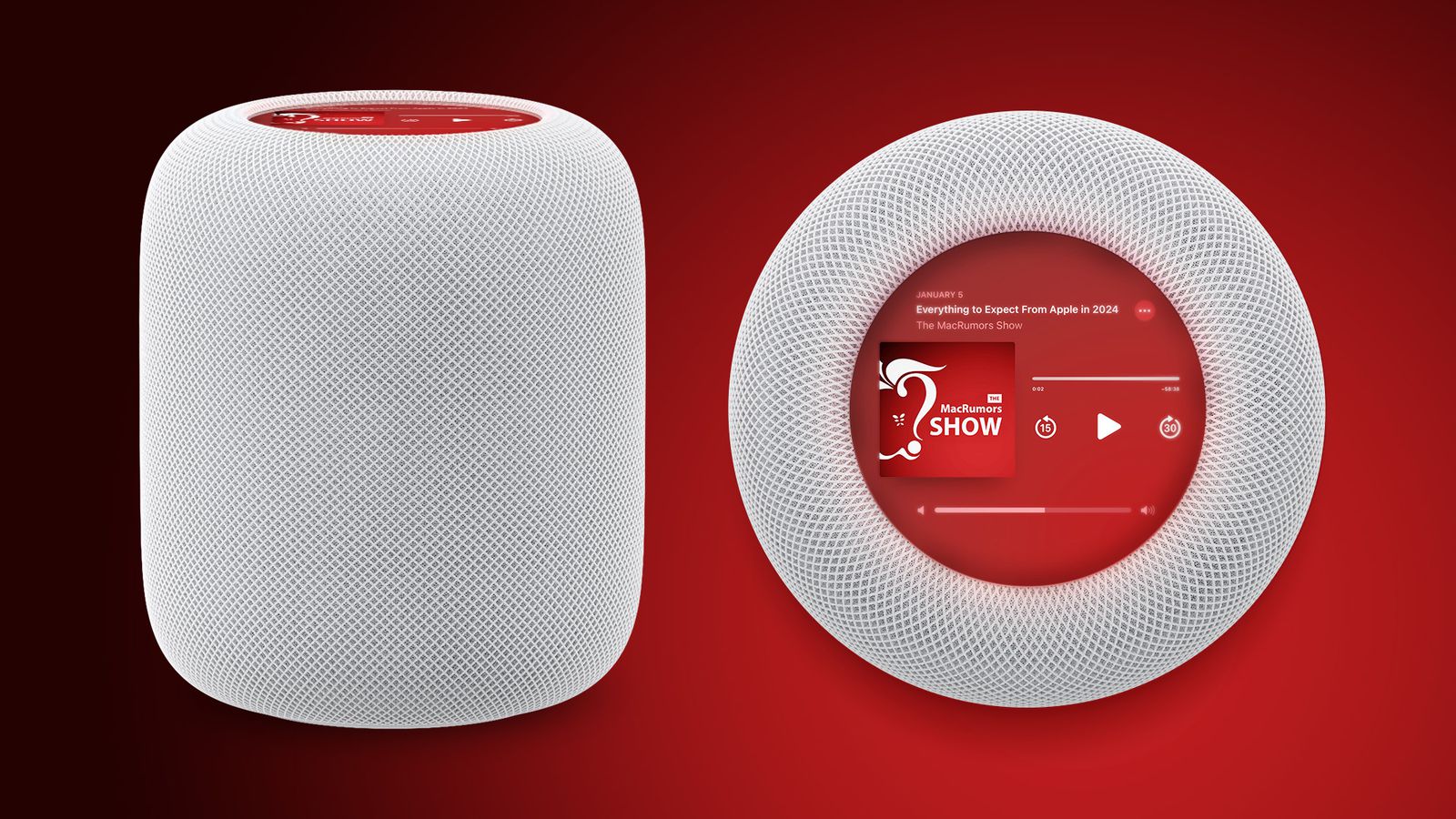
How to Optimize Your HomePod for Perfect Sound Quality in Every Room
Optimizing your HomePod for perfect sound quality involves understanding how sound interacts with your living space. Begin by properly positioning your HomePod; avoid placing it in corners or enclosed spaces, as this can result in a muddled audio output. Instead, place it on a sturdy surface, preferably at ear level when seated. Consider the acoustics of the room. Soft furnishings, rugs, and curtains can absorb sound and create a warmer audio environment, while hard surfaces can reflect sound, leading to echo and distortion. By taking these factors into account, you can create an ideal listening experience that enhances the rich sound quality of your HomePod.
Additionally, utilize the built-in features of your HomePod to enhance its performance. The HomePod's Room Listening feature adapts its sound output based on the environment. To ensure optimal results, regularly check for software updates and adjust the volume levels to suit the ambiance of the room. Another helpful tip is to use Apple Music or other high-fidelity audio services that can deliver superior sound quality. Finally, consider experimenting with spatial audio settings if available, as they can create an immersive experience by delivering sound that feels like it surrounds you in every room.
Counter-Strike is a popular team-based first-person shooter that pits terrorists against counter-terrorists in various game modes. Players can choose different weapons and strategies to complete objectives, such as planting explosives or rescuing hostages. For gamers looking to enhance their experience, exploring the Top 10 homepod accessories can add an extra layer of enjoyment to their gameplay sessions.
The Ultimate Guide to Creating a Multi-Room Sound Experience with HomePod
Creating a multi-room sound experience with your HomePod can transform your home into a personal audio paradise. To get started, ensure all your HomePods are set up on the same Wi-Fi network. You'll also want to download the latest version of iOS on your iPhone or iPad to ensure compatibility with the Home app. Once everything is in place, open the Home app and follow these steps:
- Tap the '+' icon to add your HomePods to a room.
- Select each HomePod and assign it to the desired room.
- Group your HomePods by long-pressing a HomePod icon and choosing 'Create Stereo Pair' if desired.
Now that your HomePods are set up, you can easily control your multi-room audio experience. Use Siri to play music in specific rooms or throughout your entire home by saying commands like, 'Hey Siri, play music in the kitchen' or 'Hey Siri, play music everywhere'. You can also create custom scenes in the Home app that allow for automated sound settings, making entertaining a breeze. Remember to explore settings like volume control and equalizer settings for each HomePod to tailor the audio experience to your preference. With these simple steps, you can enjoy a cohesive sound experience throughout your home.
What Are the Best Settings for HomePod in Different Spaces?
When setting up your HomePod in various spaces of your home, it’s essential to consider the acoustics of each room. For instance, in a living room, where sound can bounce off walls and furniture, placing your HomePod on a sturdy shelf or table at ear level can greatly enhance audio quality. It's also recommended to avoid corners or enclosed spaces, as these can create unwanted bass reflections. Additionally, adjusting the HomePod's settings through the Home app allows for customization according to the specific environment.
In smaller spaces like a bedroom or office, using the HomePod for ambient sound or personal playlists can transform the atmosphere. It's advisable to place the device near a wall but not directly against it, ensuring a balanced sound experience. You might also want to enable multi-room audio if you have multiple HomePods, creating a seamless listening experience throughout your home. Adjusting the volume and utilizing features like Spatial Awareness can significantly improve performance in these more intimate settings.