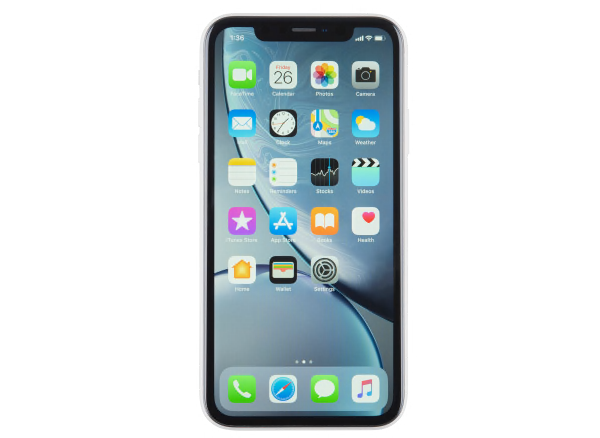
The Evolution of the iPhone: A Journey Through Innovation
The evolution of the iPhone represents a remarkable journey through innovation that has transformed the smartphone landscape since its debut in 2007. Initially introduced by Apple Inc., the iPhone set new standards for mobile technology with its intuitive touch interface and sleek design. Over the years, each new model has brought significant improvements, including enhanced camera capabilities, increased processing power, and innovative features such as Face ID and 5G connectivity. This continuous evolution not only reflects Apple’s commitment to innovation but also shapes consumer expectations and industry standards.
As we examine key milestones in the evolution of the iPhone, several models stand out for their groundbreaking contributions:
- iPhone 4 (2010): Introduced the Retina Display, which set a new benchmark for screen clarity.
- iPhone 6 (2014): Marked the shift to larger screens, catering to the growing demand for multimedia consumption.
- iPhone X (2017): Completely redefined the device design by eliminating the home button and adding Face ID technology.
- iPhone 12 (2020): Pioneered 5G technology, expanding the possibilities of speed and connectivity.
Each of these models showcases how Apple continues to push the envelope, ensuring that the iPhone remains at the forefront of innovation.
Counter-Strike is a popular tactical first-person shooter that pits teams against each other in a variety of game modes. Players can take on the roles of terrorists or counter-terrorists, completing objectives such as planting bombs or rescuing hostages. To enhance your gaming experience, consider protecting your devices with the Top 10 iPhone privacy screen protectors to maintain privacy and reduce glare while you play.
How the iPhone Changed the Way We Connect: A Deep Dive
The iPhone revolutionized communication by seamlessly integrating social media, messaging, and traditional calling into a single device. Launched in 2007, it set a new standard for mobile technology that prioritized user experience and connectivity. The introduction of features such as the App Store paved the way for third-party applications, allowing users to connect in ways that were previously unimaginable. This innovation not only enhanced personal communication but also transformed how businesses interacted with their customers, fostering an era of instant feedback and engagement.
Moreover, the iPhone's impact extended beyond just communication. With its high-quality camera and user-friendly interface, it encouraged the rise of photography as a crucial form of personal expression and social connection. Users began to share their lives through visual storytelling, creating new social trends and altering the dynamics of social interactions. As a result, the iPhone has not only changed the way we connect, but it has also shaped our cultural landscape, making digital communication more personal and accessible.
Is the iPhone Still the Ultimate Smartphone? Exploring the Pros and Cons
The iPhone has long been regarded as a benchmark in the smartphone industry, but does it still hold that title in today’s fast-evolving tech landscape? One of the most compelling reasons to choose the iPhone is its ecosystem. Users benefit from seamless integration across devices, making it incredibly convenient to switch from an iPhone to an iPad or MacBook. Moreover, Apple’s commitment to regular software updates ensures that even older models receive the latest features and security patches. This longevity, combined with a user-friendly interface, solidifies the iPhone's reputation as a reliable choice for tech-savvy individuals.
However, it's essential to consider the cons as well. The iPhone tends to come with a higher price tag compared to its competitors, which can be a significant deterrent for budget-conscious consumers. Additionally, customization options remain relatively limited compared to Android devices, which can frustrate users who prefer a personalized experience. Furthermore, accessories and repairs can be costly, adding to the overall maintenance expenses. Ultimately, while the iPhone boasts numerous advantages, potential buyers must weigh these against the drawbacks to determine if it's still the ultimate smartphone for their needs.