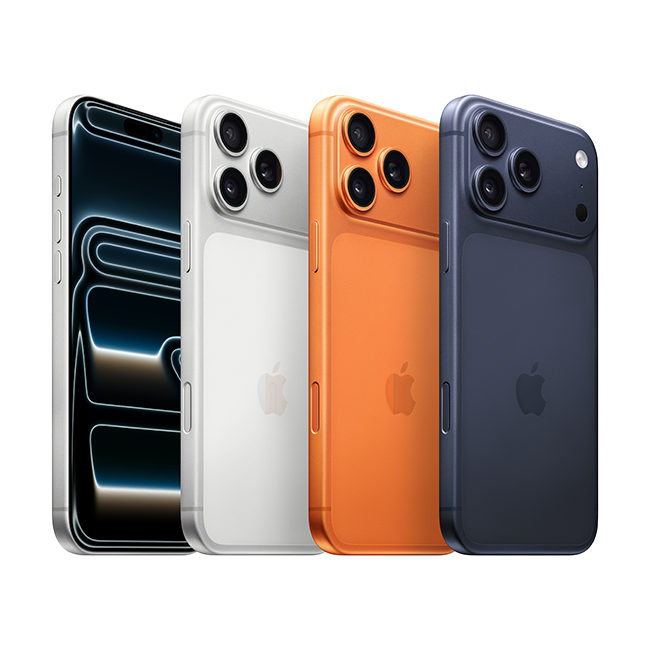
Is the iPhone 17 Apple's Final Play in Smartphone Innovation?
As we approach the launch of the iPhone 17, there is considerable speculation about whether this device represents Apple's final play in smartphone innovation. Historically, Apple has set trends with each new release, often redefining user expectations with groundbreaking features. However, with the smartphone market becoming increasingly saturated and competition fierce, many industry analysts are questioning if the iPhone 17 will be able to deliver the revolutionary leap forward that consumers have come to expect from Apple. Some critics argue that incremental updates have become the norm rather than significant advancements, leading to the perception that Apple may be running out of fresh ideas.
Despite concerns about innovation stagnation, the iPhone 17 still holds the potential to make waves in the tech community. Recent rumors suggest the incorporation of advanced AI capabilities and enhanced connectivity options, paving the way for a smarter and more integrated user experience. If Apple successfully leverages these technological advancements, the iPhone 17 could indeed mark a pivotal moment in the company's history, either reaffirming its status as a leader in innovation or signaling the start of a slow decline in dominance. As consumers anticipate its release, the iPhone 17 may ultimately decide whether Apple's legacy as an innovator endures.
Counter-Strike is a popular team-based first-person shooter that has captivated gamers since its release. Players can choose between two opposing factions, terrorists and counter-terrorists, to complete objectives such as bomb defusal or hostage rescue. For those looking to protect their devices while gaming on the go, check out these Top 10 iPhone 17 Cases with Lanyard options, which combine functionality and style.
How the iPhone 17 Compares to Its Predecessors: A Look at the Evolution of Apple's Flagship
The iPhone 17 marks a significant milestone in Apple's evolution of flagship smartphones, showcasing a series of enhancements that set it apart from its predecessors. Notable upgrades include an improved A17 Bionic chip, which delivers enhanced processing power and efficiency, as well as advanced camera capabilities that allow for stunning low-light photography. In comparison to the iPhone 16 and earlier models, the iPhone 17 features a refined design aesthetic, offering users a more premium feel while also incorporating sustainable materials that highlight Apple's commitment to environmental responsibility.
In addition to hardware improvements, the iPhone 17 introduces several new software features that enhance the user experience. With iOS 17, users benefit from smarter notifications, enhanced privacy settings, and seamless integration with other Apple devices. When compared to its predecessors, such as the iPhone 16 and iPhone 15, the iPhone 17 stands out with its innovative functionalities, making it not only a powerful device but also a pivotal part of Apple's ongoing legacy in smartphone technology.
Can the iPhone 17 Redefine User Experience for the Future of Mobile Technology?
The iPhone 17 has the potential to redefine user experience in mobile technology by incorporating cutting-edge features that align with consumer needs and desires. With its anticipated advancements in artificial intelligence and machine learning, users can expect a more personalized interface that adapts to their routines, preferences, and habits. Furthermore, the integration of enhanced augmented reality capabilities could revolutionize how users interact with their surroundings, allowing for immersive experiences that were once thought to be the realm of science fiction.
In addition to these technological leaps, the iPhone 17 is set to place a strong emphasis on sustainability and privacy, critical areas that modern consumers consider essential. By utilizing eco-friendly materials and implementing robust privacy measures, Apple could not only improve the user experience but also foster brand loyalty. As we move forward, the iPhone 17 may very well become a benchmark for what the future of mobile technology should embody: innovation, responsibility, and user-centric design.