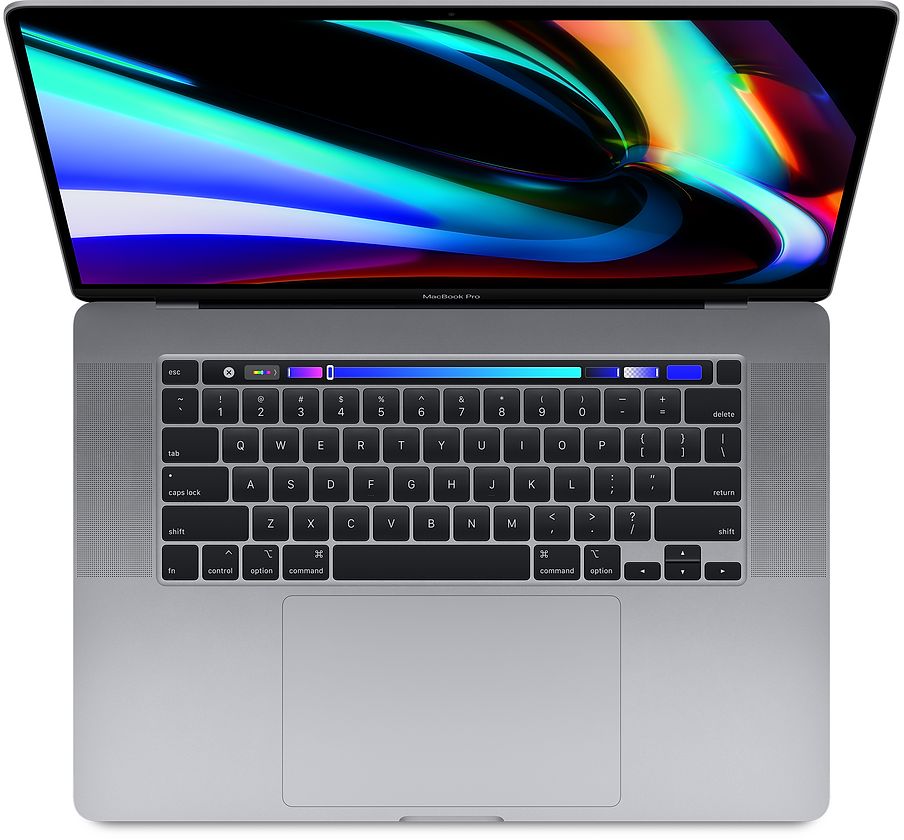
When Your MacBook Decides to Take a Day Off: Lessons from Unexpected Black Screens
Experiencing an unexpected black screen on your MacBook can be a jarring experience, often feeling like the device has simply decided to take a day off. This situation can arise due to various reasons, including system crashes, hardware malfunctions, or software updates gone awry. When faced with such a dilemma, it’s essential to approach the issue with a clear mind and a methodical troubleshooting process. Start by performing a forced restart by holding down the power button for a few seconds. If that doesn’t help, safe mode can be your next step. This allows you to boot the Mac with only essential software running, giving you insight into whether it’s a software conflict at play.
Learning from these unexpected black screen incidents can also lead to better maintenance practices for your MacBook. One crucial lesson is the importance of regularly updating your software to ensure compatibility and security. Additionally, backing up your data frequently protects against potential loss during such unforeseen events. Consider implementing a routine of cleaning up your Mac and running diagnostic tools periodically to identify any underlying issues before they escalate. Remember, a sudden black screen doesn't just signal a problem; it can also be a reminder to invest time in keeping your MacBook in optimal condition for the future.
Counter-Strike is a highly acclaimed tactical first-person shooter (FPS) video game series that has gained immense popularity since its inception. The gameplay emphasizes teamwork, strategy, and skill, as players join either the terrorist or counter-terrorist teams to complete objectives. To enhance your gaming experience, you might also want to check out the Top 10 macbook docks for optimal performance.
The Great Keyboard Crisis: How Butterfingers Got Me into Tech Trouble
In today's digital world, keyboards are an essential part of our daily lives, yet a seemingly simple issue can lead to what I like to call The Great Keyboard Crisis. It all started when my clumsy fingers, or as I jokingly refer to them, my butterfingers, began to cause mayhem on my keyboard. Every keystroke became a gamble, and inevitably, I found myself in a tech struggle as key after key became unresponsive. This frustration sparked a deeper interest in understanding how keyboards work, the different technologies behind them, and the plethora of choices available in the market. As I dived into research, I realized that my experience wasn’t unique; many face similar challenges that lead them down a rabbit hole of tech exploration.
From mechanical switches to membrane designs, the keyboard landscape is vast and varied. My pursuit of knowledge revealed helpful tips for others who may find themselves in a similar predicament. For anyone who has ever dropped their laptop or spilled a drink on their keyboard, I assembled a quick guide to keyboard maintenance that could save you from the tech trouble I faced:
- Keep liquids at a safe distance from your keyboard.
- Regularly clean your keyboard to remove dust and debris.
- Invest in a quality keyboard that suits your needs.
Understanding the technology that underpins these everyday devices has not only helped me avoid future mishaps but has also deepened my appreciation for the role keyboards play in our tech ecosystem.
What to Do When Your MacBook Thinks It's a Yoga Instructor: Troubleshooting Tips for Tech Glitches
When your MacBook starts acting like it’s a yoga instructor, stretching the limits of your patience with unexpected behaviors or erroneous inputs, it's time to take a step back and troubleshoot the issue. First, ensure that your MacBook is updated to the latest version of macOS. Sometimes, software glitches can lead to bizarre behaviors, and an update may resolve them. After updating, restart your device to clear its memory. If the problem persists, consider resetting the System Management Controller (SMC) and the NVRAM, as these can often fix strange performance issues.
If your MacBook's problem persists after trying the above steps, it may be worth checking your peripherals. Disconnect any external devices like keyboards, mice, or USB drives to see if they are causing the anomaly. Additionally, running a Hardware Test can help identify specific hardware issues that may be manifesting as tech glitches. Lastly, if you find that your MacBook is still convinced it’s a yoga instructor after all these fixes, consulting with Apple Support or visiting an Apple Store is advisable for more advanced troubleshooting.