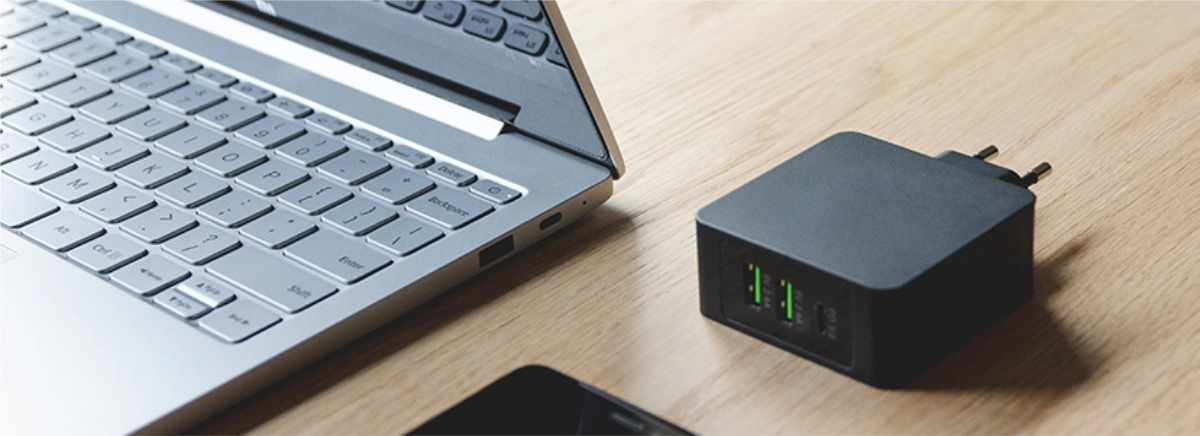
Understanding Power Delivery: How It Fuels Your Fast Charging Experience
Understanding Power Delivery is crucial for anyone looking to enhance their fast charging experience. This technology enables faster charging speeds by allowing devices to negotiate power levels between the charger and the device. Unlike traditional charging, where a fixed voltage is supplied, Power Delivery utilizes a dynamic system that can adjust the voltage and current based on the device’s needs. This means that compatible devices can charge up to 70% faster, making it an attractive option for smartphone and laptop users alike.
One of the significant advantages of Power Delivery is its versatility across various devices. From smartphones to laptops and even tablets, this technology ensures that you're not left waiting around for your device to charge. For instance, a typical smartphone might draw 5V at 2A through a standard charger, but with Power Delivery, it can receive a higher voltage, such as 9V at 3A, effectively optimizing the charging process. As manufacturers increasingly adopt this standard, understanding how Power Delivery works can greatly enrich your fast charging experience, ensuring that your devices are always ready to go.
Counter-Strike is a popular first-person shooter game that pits teams of terrorists against counter-terrorists in various game modes. Players engage in tactical gameplay, utilizing teamwork and strategy to achieve objectives. For those looking to enhance their gaming experience, consider checking out the Top 10 USB-C hubs for MacBook to ensure you have the right equipment.
The Science of Fast Charging: What You Need to Know About Power Delivery
The Science of Fast Charging revolves around the concept of Power Delivery, a technology that enables rapid charging of devices through higher power levels. At its core, Power Delivery operates over USB-C connections, allowing for a range of power levels that can adapt to different devices. This means that not only smartphones can benefit; laptops and other devices can achieve faster charging times as well. By utilizing protocols that increase voltage and current, Power Delivery significantly reduces the time it takes to charge your devices compared to traditional charging methods.
Understanding Power Delivery requires some knowledge of its specifications and capabilities. For instance, it can deliver power up to 100 watts, which is achieved by negotiating power levels between the charger and the device. This dynamic power management ensures that devices receive the optimal amount of power without compromising safety. Additionally, faster charging is often paired with built-in smart technology that helps prevent overheating and overcharging, making it a safe alternative for those looking to speed up their charging experience.
Power Delivery Explained: Is Your Device Ready for the Charge?
Power Delivery (PD) is a fast charging technology that has revolutionized the way we power our devices. Unlike traditional charging methods that typically provide a fixed amount of power, Power Delivery allows for variable power input, enabling faster charging for a wide range of devices, from smartphones to laptops. By negotiating the optimal voltage and current, Power Delivery ensures that your device receives the right amount of power, thus reducing charging time significantly. For consumers, this means quicker access to a fully charged device, which is increasingly essential in our fast-paced lives.
Is your device ready for the charge? To determine if your gadget supports Power Delivery, check for a PD logo on the charger or the device itself. Most modern smartphones, tablets, and laptops released in recent years are compatible with Power Delivery. Power Delivery not only speeds up charging but also improves safety features by adjusting power levels to prevent overheating and damage. If you’re looking to upgrade your charging setup, consider investing in a PD-compatible power bank or wall charger to maximize your device’s potential.