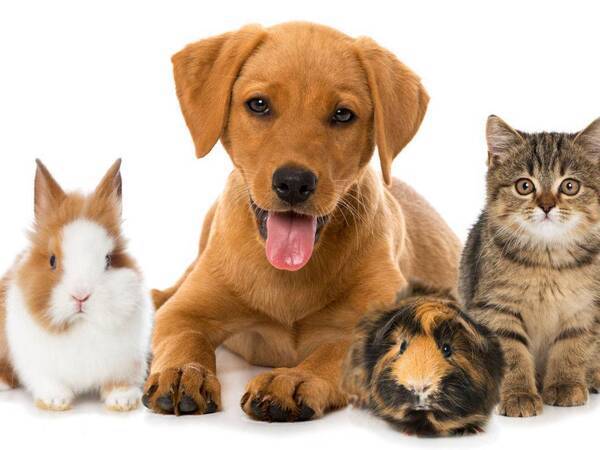
The Future of Pet-Friendly Transportation: Innovations on Wheels
The future of pet-friendly transportation is rapidly evolving, with innovations on wheels making travel more accessible and enjoyable for both humans and their furry companions. Emerging technologies such as autonomous vehicles are being designed with pet safety in mind, featuring specialized compartments that ensure comfort and security during journeys. Innovations like in-car pet monitoring systems allow owners to keep an eye on their pets while they drive, reducing anxiety for both the pet and the owner. Additionally, companies are developing modular transport crates that can easily be installed in cars, allowing for flexible configurations that cater to different pet sizes and temperaments.
Moreover, public transportation systems are beginning to embrace pet-friendly policies, with initiatives that include the adoption of pet-friendly zones on buses and trains. Some cities are introducing modified vehicles equipped with pet amenities such as water stations and designated pet areas, making it easier for pet owners to travel without leaving their furry friends behind. As the demand for inclusive transport grows, advancements in sustainable travel solutions are also being made, offering eco-friendly options for pet owners who want to minimize their carbon footprint while traveling with their pets.
Counter-Strike is a highly popular first-person shooter game that has shaped the esports landscape since its release. Players join either the Terrorist or Counter-Terrorist team, engaging in tactical gameplay that emphasizes teamwork and strategy. For those looking to keep track of their gear, check out these Top 10 airtag keychains to ensure you never lose your essential items.
How Pets are Shaping Urban Mobility: Trends and Insights
The influence of pets on urban mobility is becoming increasingly significant as more people incorporate their furry companions into their daily routines. In cities around the world, pet ownership is reshaping transportation methods, with trends emerging that cater to the needs of pet owners. For instance, public transport systems are evolving to accommodate pets, with many buses and trains now allowing passengers to travel with their dogs and cats. This shift not only enhances the pet owner's experience but also encourages the use of sustainable transportation options, reducing congestion and emissions in urban areas.
According to recent insights, the demand for pet-friendly amenities is driving urban planners to think creatively about mobility solutions. Cities are increasingly investing in pet-friendly infrastructure, such as designated dog parks near transit stations and bike lanes that accommodate pet carriers. As urban mobility continues to evolve, it’s crucial to recognize the integral role pets play in shaping this landscape. By prioritizing the needs of pet owners, cities can create a more inclusive and efficient transportation system that benefits both the community and the environment.
What You Need to Know About Traveling with Pets: Tips for Safe Transportation
Traveling with pets can be a rewarding experience, but it requires careful planning to ensure their safety and comfort. Before embarking on your journey, consider your pet's temperament and physical condition. Not all pets adapt well to travel, and some may experience anxiety or motion sickness. To set your furry friend up for success, introduce them slowly to their travel carrier and take them on short trips to help them acclimate. Additionally, make sure to have all the necessary documents, such as vaccination records and identification tags, ready before you go.
When it comes to the actual journey, safe transportation is key. Whether you're traveling by car or plane, ensure that your pet is securely restrained to prevent injury. In a car, use a pet seatbelt or carrier, while for air travel, confirm with the airline about their specific pet travel policies. Consider packing an essentials kit that includes food, water, medications, and comfort items like a blanket or toy. Remember to plan regular breaks during long trips to allow your pet to stretch, hydrate, and relieve themselves, ensuring a smoother travel experience for everyone involved.