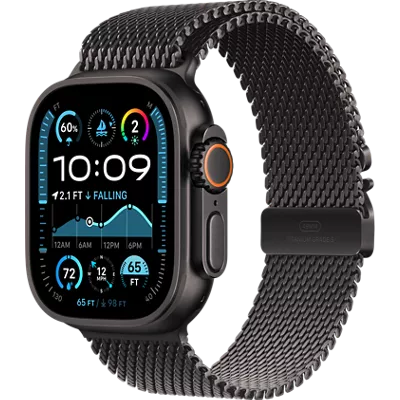
The Apple Watch: A Deep Dive into Its Most Controversial Features
The Apple Watch has consistently been at the forefront of wearable technology, yet its innovative features have sparked both admiration and criticism. One of the most talked-about aspects is the device's health monitoring capabilities, which include heart rate tracking, ECG functionality, and even blood oxygen monitoring. While these features have been lauded for their potential to save lives, critics raise concerns about their accuracy and the ethical implications of using such data. The debate centers around whether consumers fully understand how to interpret this information and the risks involved in making health decisions based solely on smartwatch data.
Another point of contention is the Apple Watch's impact on user privacy. With constant health data collection and location tracking, some users feel uneasy about how their personal information is being used by Apple and potentially shared with third parties. The company has defended its practices by emphasizing its commitment to privacy, yet many remain skeptical. As technology evolves, the balance between functionality and user privacy will continue to be a heated topic, making it essential for prospective buyers to consider these controversial features when deciding whether to invest in an Apple Watch.
Counter-Strike is a popular first-person shooter game that has garnered a massive following since its inception. Players can engage in tactical gameplay, often divided into teams of terrorists and counter-terrorists. Many gamers also enjoy customizing their experience with various peripherals, including the Top 10 Apple Watch Accessories for the Office to enhance their productivity and gaming sessions.
Is Your Apple Watch Judging You? Understanding Its Health and Fitness Tracking Opinions
The Apple Watch has become a ubiquitous tool for health and fitness tracking, but many users find themselves wondering, is your Apple Watch judging you? This question often arises when the device sends reminders to stand, notifications about reaching your activity goals, or prompts for workouts. While these notifications are intended to encourage healthier habits, they can sometimes feel like judgments on our lifestyle choices. Understanding how the Apple Watch utilizes data from its sensors and algorithms can help demystify these interactions and shift our perspective from feeling judged to feeling supported in our health journey.
Every time your Apple Watch measures your heart rate, tracks your workouts, or analyzes your sleep patterns, it's collecting valuable data to provide you with insights and personalized feedback. The goal is not to criticize, but to offer a comprehensive view of your health and fitness progress. By viewing these features through a lens of understanding its health and fitness tracking opinions, you may find motivation in the numbers rather than feeling discouraged. Remember, the Apple Watch is designed to empower you to make informed decisions about your well-being, not to pass judgment on your choices.
Why Your Apple Watch’s Notifications Might Be Too Personal for Comfort
The Apple Watch has revolutionized the way we interact with our smartphones, but it has also blurred the lines of privacy. With notifications popping up for everything from text messages to social media alerts, users may find themselves in situations where personal alerts feel uncomfortably exposed. For instance, imagine being in a meeting and receiving a private message that draws attention from those around you, potentially leading to awkwardness or unwanted curiosity. This constant stream of notifications can invade your personal space, especially when they reveal sensitive or intimate details about your life.
Moreover, the ability to customize notifications means that we often receive alerts tailored specifically to our habits and interests. This personalization can be a double-edged sword; while it enhances the user experience, it can also lead to a false sense of security. If your Apple Watch buzzes with notifications related to health reminders or private messages, it may feel as though your digital life is under constant surveillance. To maintain your comfort and privacy, it might be beneficial to periodically review your notification settings and determine what information is truly essential for your daily activities.