Understanding Your Options: Fiat vs. Crypto Withdrawals Explained
When it comes to withdrawing funds from various platforms, understanding the fundamental difference between fiat and crypto withdrawals is paramount. Fiat withdrawals refer to the process of converting your digital assets, or even traditional platform earnings, into government-issued currency like USD, EUR, or GBP, and then transferring it to your bank account or other traditional financial instruments. This typically involves a centralized intermediary, such as a bank or a payment processor, and often comes with associated fees, processing times, and sometimes even geographical restrictions. The key characteristic here is the reliance on established banking infrastructure and regulatory oversight, offering a familiar and often perceived safer route for many users, especially those new to the digital asset space.
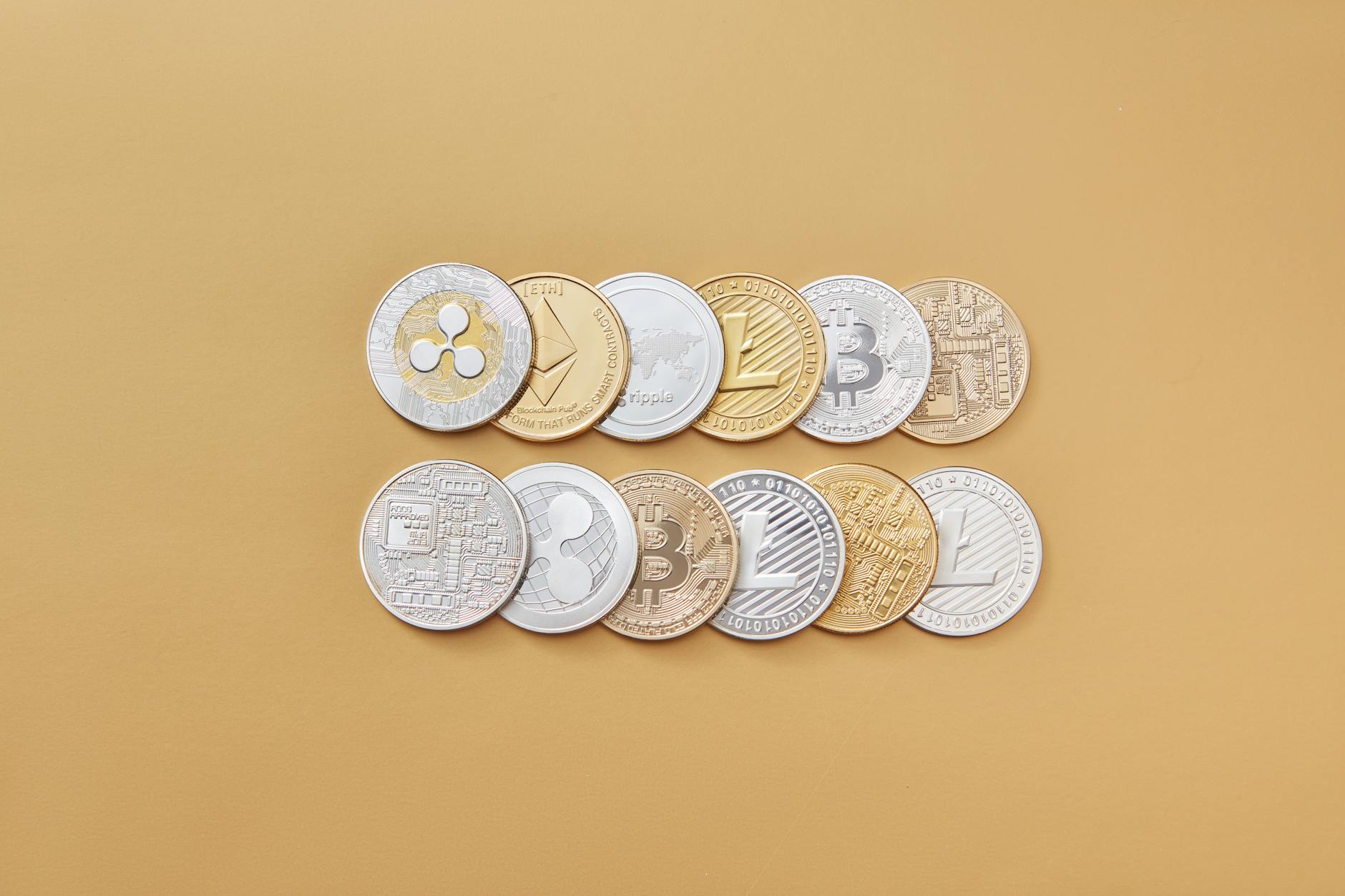
On the other hand, crypto withdrawals involve moving your digital assets directly from one cryptocurrency wallet or exchange to another. This process bypasses traditional banking systems entirely, leveraging blockchain technology for peer-to-peer transfers. The advantages are often significant: faster transaction times (sometimes near-instantaneous, depending on the blockchain network), generally lower fees compared to international wire transfers, and enhanced privacy. However, it also comes with increased responsibility. If you send crypto to the wrong address, the transaction is irreversible, and there's no central authority to assist you. Furthermore, the value of cryptocurrencies can be highly volatile, meaning the amount you withdraw today might be worth more or less tomorrow when you decide to convert it back to fiat.
See also: Wikipedia: Cryptocurrency — For foundational understanding of crypto assets and their movement.
Choosing between fiat and crypto withdrawals ultimately depends on your individual needs, risk tolerance, and the specific platform you're using. Consider these factors:
Each option presents its own set of benefits and drawbacks, and understanding these nuances will empower you to make informed decisions for your financial transactions. The evolving landscape of digital finance continues to offer more sophisticated withdrawal methods, blurring the lines between these two distinct approaches.
- Speed and Cost: Do you need immediate access to funds, or are you comfortable with traditional banking timelines? Are you looking to minimize transaction fees?
- Security and Control: Do you prefer the regulated environment of fiat, or do you value the decentralized control and privacy of crypto?
- Future Intent: Are you looking to hold onto your digital assets, or do you need to convert them to spendable currency immediately?
Step-by-Step Security: Essential Tips for a Safe Cash Out
Navigating the cash-out process, especially when dealing with online platforms or significant sums, demands a proactive approach to security. Before initiating any transfer, always double-check the recipient's information. A single typo in an account number or email address can lead to irreversible losses. Furthermore, ensure you are using a secure and private network connection. Public Wi-Fi, while convenient, can be notoriously insecure and vulnerable to snoopers. Consider using a Virtual Private Network (VPN) for an added layer of encryption, safeguarding your financial data from potential intercepts. This initial diligence sets the foundation for a secure transaction, minimizing the risk of unauthorized access or misdirection of funds.
Once your transaction is underway, it's crucial to remain vigilant. Many platforms offer two-factor authentication (2FA) as an additional security measure. Always enable this feature, as it requires a secondary verification step, such as a code sent to your mobile device, before a cash-out can be completed. This significantly reduces the threat of unauthorized access, even if your primary password is compromised. After the cash-out is confirmed, keep a close eye on your bank statements or digital wallet activity. Report any discrepancies or suspicious transactions immediately to both the platform and your financial institution. Prompt action can often prevent further losses and aid in recovery efforts.
Beyond the immediate transaction, fostering a culture of ongoing security is paramount. Regularly update your passwords, opting for strong, unique combinations that include a mix of uppercase and lowercase letters, numbers, and symbols. Avoid reusing passwords across multiple platforms. Moreover, be wary of phishing attempts – emails or messages that try to trick you into revealing personal or financial information. Always verify the sender's authenticity and never click on suspicious links.
"An ounce of prevention is worth a pound of cure," especially when it comes to financial security. Regularly reviewing and strengthening your digital defenses will provide long-term peace of mind for all your cash-out endeavors.
See also: SEC.gov: Investor Alert - Crypto Asset Securities — To highlight regulatory concerns and potential risks associated with crypto, including withdrawal issues.
Troubleshooting Common Hurdles: Answers to Your Withdrawal FAQs
Navigating the withdrawal process, especially when cryptocurrency is involved, can sometimes feel like a maze. A common hurdle many users encounter is the delay in transaction processing. This often stems from network congestion, particularly on popular blockchains during peak activity, or internal security protocols that require manual review for larger sums. Before panicking, always check the network's current status and your platform's stated processing times. If a significant delay persists beyond the estimated window, reaching out to customer support with your transaction ID is crucial. They can often provide insights into the specific bottleneck and offer solutions or estimated resolution times.
See also: CNBC Crypto News — For up-to-date information on the crypto market, including exchange stability and withdrawal processes.
Another frequent query revolves around failed withdrawal attempts or incorrect recipient addresses. While frustrating, a failed withdrawal usually means your funds are safe and returned to your account. This can happen due to various reasons, such as insufficient funds (including network fees), incorrect withdrawal limits, or security flags. However, entering an incorrect recipient address is a more serious issue.
Cryptocurrency transactions are irreversible. If you send funds to a wrong address, they are likely unrecoverable.Always double-check, and even triple-check, the withdrawal address before confirming. Many platforms, like those you might find on this site, now offer address whitelisting features to prevent such errors, which can be a valuable security measure.
Understanding the intricacies of withdrawal fees and daily limits is essential for a smooth experience. Each platform and blockchain network will have its own fee structure, which can vary based on network demand or the specific cryptocurrency being withdrawn. These fees are usually non-negotiable and are deducted from your withdrawal amount. Similarly, daily or even monthly withdrawal limits are implemented for security purposes and regulatory compliance. If you need to withdraw a sum exceeding your current limit, you might need to:
- Verify your account further to increase limits.
- Plan multiple withdrawals over several days.
- Contact support to arrange a special, large withdrawal (though this is often subject to additional vetting).
Optimizing Your Returns: Choosing the Right Platform and Fees
Selecting the ideal platform for your investments is paramount to maximizing returns and minimizing unnecessary costs. It's not just about finding the cheapest option; it's about aligning the platform's features, investment offerings, and fee structure with your specific financial goals and risk tolerance. Consider factors like the breadth of investment options (stocks, bonds, ETFs, mutual funds, alternative assets), the availability of research tools and educational resources, and the quality of customer support. A platform that offers a wide array of choices and robust analytical tools can empower you to make more informed decisions, potentially leading to significantly better outcomes over the long term. This initial research phase is crucial for laying a strong foundation for your investment journey.
Fee structures can vary wildly between platforms and can significantly erode your returns if not carefully considered. Common fees include trading commissions, expense ratios on ETFs and mutual funds, account maintenance fees, and even withdrawal fees. While a zero-commission trading platform might seem appealing, always delve deeper into other hidden costs or the quality of services provided. For instance, some platforms with no trading fees might have higher expense ratios on their proprietary funds or offer fewer sophisticated tools. Create a hypothetical portfolio and calculate the total annual fees for different platforms to get a realistic picture of the impact. Even small percentage differences in fees can translate into substantial losses over decades of compounding returns, making this a critical aspect of your decision-making process.
When evaluating platform fees, remember that the true cost isn't just the sticker price, but the opportunity cost of what those lost funds could have earned.
Beyond direct monetary costs, consider the less tangible fees, such as the cost of poor user experience or limited functionality. A platform with a clunky interface or unreliable execution can lead to missed opportunities or frustrating delays, indirectly impacting your returns. Look for platforms that offer intuitive navigation, real-time data, and efficient trade execution. Furthermore, assess the platform's security measures and regulatory compliance to protect your assets. Ultimately, the 'right' platform isn't just one with low fees, but one that provides a comprehensive and secure environment tailored to your investment strategy, enabling you to achieve your financial objectives effectively and efficiently.
Frequently Asked Questions
What are the most common methods for withdrawing crypto from an online casino?
The most common methods include direct cryptocurrency transfers to your personal wallet (e.g., Bitcoin, Ethereum, Litecoin), and sometimes stablecoin withdrawals. A few casinos might offer conversion to fiat currency via integrated platforms, but direct crypto-to-crypto is generally preferred for speed and lower fees. Always check the casino's specific withdrawal page for available options.
Are there any fees associated with withdrawing crypto from a casino, and how can I minimize them?
Yes, most casinos charge a small network fee (miner's fee) for crypto withdrawals, which is inherent to the blockchain. Some casinos might add their own processing fee. To minimize costs, choose cryptocurrencies with lower transaction fees (like Litecoin or Tron) and try to consolidate your withdrawals rather than making many small ones. Always review the fees before confirming your transaction.
How long does it typically take to receive my crypto winnings after initiating a withdrawal?
Crypto withdrawal times vary depending on the cryptocurrency, network congestion, and the casino's internal processing. Bitcoin withdrawals can take anywhere from a few minutes to a few hours, while others like Ethereum or Litecoin are often faster. Most reputable casinos aim to process withdrawals within 0-24 hours, but always check their stated processing times.
What information do I need to provide to successfully withdraw my crypto winnings?
You'll primarily need your unique cryptocurrency wallet address for the specific coin you're withdrawing. Ensure this address is correct, as funds sent to an incorrect address are often irrecoverable. Depending on the casino and their KYC (Know Your Customer) policies, you might also need to complete identity verification before your first significant withdrawal.