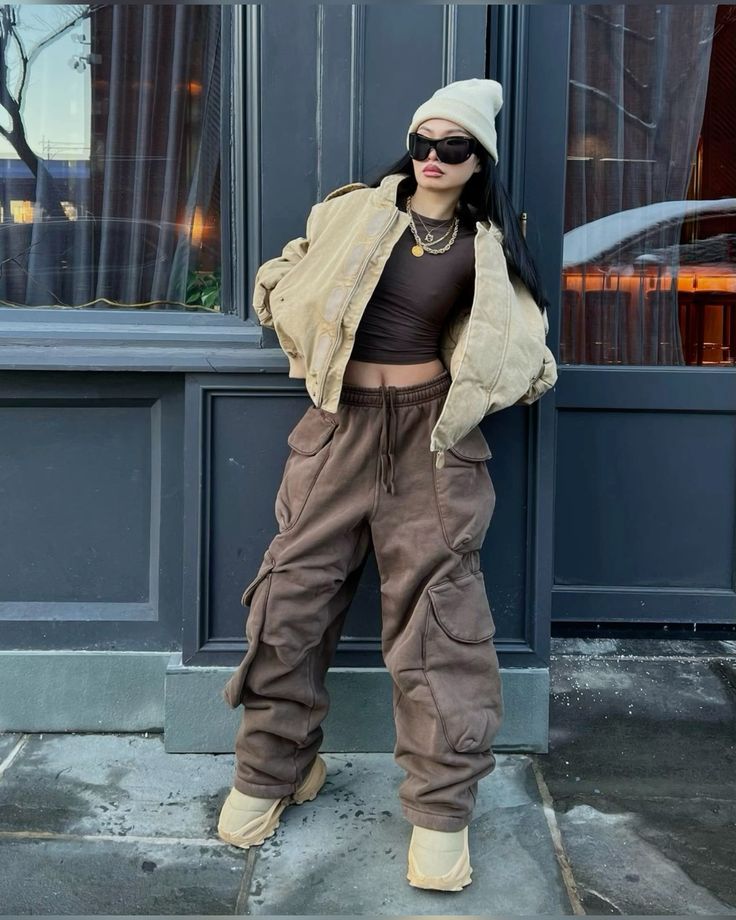
The Evolution of Streetwear: From Subculture to High Fashion
The journey of streetwear began in the late 1970s and early 1980s, rooted in the vibrant cultures of skateboarding, hip-hop, and punk music. Originally a subculture, it was defined by an anti-establishment ethos and a DIY attitude, epitomized by brands like Supreme and Stussy. As the decades progressed, streetwear gained momentum, leading to a fusion of urban style with luxury fashion. By the 1990s, collaborations between streetwear brands and established fashion houses began to emerge, indicating a shift in perception towards this once-niche style. This evolution set the stage for streetwear's current status as a formidable force in the fashion world.
Today, streetwear has transcended its humble beginnings, becoming an integral part of high fashion. Major designers and luxury brands such as Louis Vuitton and Gucci have embraced streetwear aesthetics, often incorporating bold graphics and relaxed silhouettes into their collections. This unprecedented fusion has sparked debates about authenticity and the commercialization of street culture, yet it has undeniably created new opportunities for designers and consumers alike. As streetwear continues to evolve, it prompts us to reconsider the boundaries between subculture and mainstream fashion, reshaping our understanding of style and identity in the modern world.
If you're a fan of the beloved series, you might want to check out our hunter x hunter shop for some amazing merchandise and collectibles. From stylish apparel to unique accessories, there's something for every Hunter x Hunter enthusiast!
Layering Techniques: How to Elevate Your Streetwear Game
When it comes to elevating your streetwear game, mastering layering techniques is essential. Layering not only adds depth and texture to your outfit but also allows you to showcase your personal style. Start with a basic foundation: a well-fitted t-shirt or tank top for a breathable base. From there, consider adding a long-sleeve shirt or a lightweight hoodie for an extra layer. Pairing these with a versatile bomber jacket or an oversized denim jacket can truly transform your look. Don't be afraid to mix materials, such as cotton with denim or even leather, to create an eye-catching contrast.
Accessorizing is another critical aspect of layering. Hats, beanies, and statement jewelry can elevate your overall outfit while adding your unique touch. Consider incorporating scarves or even vests into your ensemble for added warmth and style. To finish off your layered look, choose the right footwear—whether it's classic sneakers, combat boots, or sleek high-tops, your shoes can tie the entire outfit together. Remember, the key to successful layering is balancing proportions and colors; aim for a cohesive look that feels both stylish and comfortable.
Is Streetwear the New Formal? Exploring Fashion's Casual Revolution
The emergence of streetwear as a dominant force in the fashion industry has sparked a revolution in how we perceive and define formal attire. No longer confined to rigid dress codes, the contemporary interpretation of formalwear has embraced a more relaxed aesthetic that prioritizes comfort without sacrificing style. With the rise of influential brands like Off-White, Supreme, and Fear of God, everyday pieces are increasingly seen as suitable for upscale events. This newfound acceptance highlights a cultural shift where streetwear is not just casual but is becoming celebrated as a legitimate form of self-expression, challenging traditional notions of what it means to dress formally.
As we explore this transformation, it's essential to consider the role of streetwear in modern society. It embodies a lifestyle choice that resonates deeply with younger generations, who value individuality over conformity. The blend of high fashion and street culture has led to collaborations between luxury brands and streetwear icons, blurring the lines between formal and casual attire. This fusion not only democratizes access to high-end fashion but also elevates streetwear to new heights, prompting us to ask: Will we see a future where casual attire is the new norm for formal events?