Exploring Galego: More Than a Language, a Living Heritage (History, Culture, Common Misconceptions)
Galego, often mistakenly relegated to a mere dialect of Spanish, is in fact a distinct Romance language with a rich and independent history, predating Castilian Spanish's dominance in the Iberian Peninsula. Its roots stretch back to Vulgar Latin, evolving in the medieval Kingdom of Gallaecia, giving rise to what we now call Galician-Portuguese. For centuries, this linguistic ancestor flourished, producing a vibrant literary tradition, particularly in lyric poetry – the Cantigas de Santa Maria being a prime example. The split into modern Galego and Portuguese occurred gradually, influenced by political borders and cultural divergence. Understanding this historical trajectory is crucial to appreciating Galego not as an offshoot, but as a sister language with its own unique evolutionary path and a profound cultural legacy that continues to resonate today, from traditional music to contemporary literature.
Beyond its linguistic distinctiveness, Galego is deeply intertwined with the cultural identity of Galicia. It's the language of the 'saudade,' that untranslatable feeling of melancholic longing, and the medium through which much of Galicia's folklore, myths, and oral traditions are preserved. Common misconceptions often portray it as a rural, declining language, but this couldn't be further from the truth. While facing historical pressures, Galego is experiencing a vibrant revival, particularly among younger generations. It's the language of:
- Contemporary music, from indie bands to folk fusion
- Award-winning cinema and television series
- Innovative literature and academic research
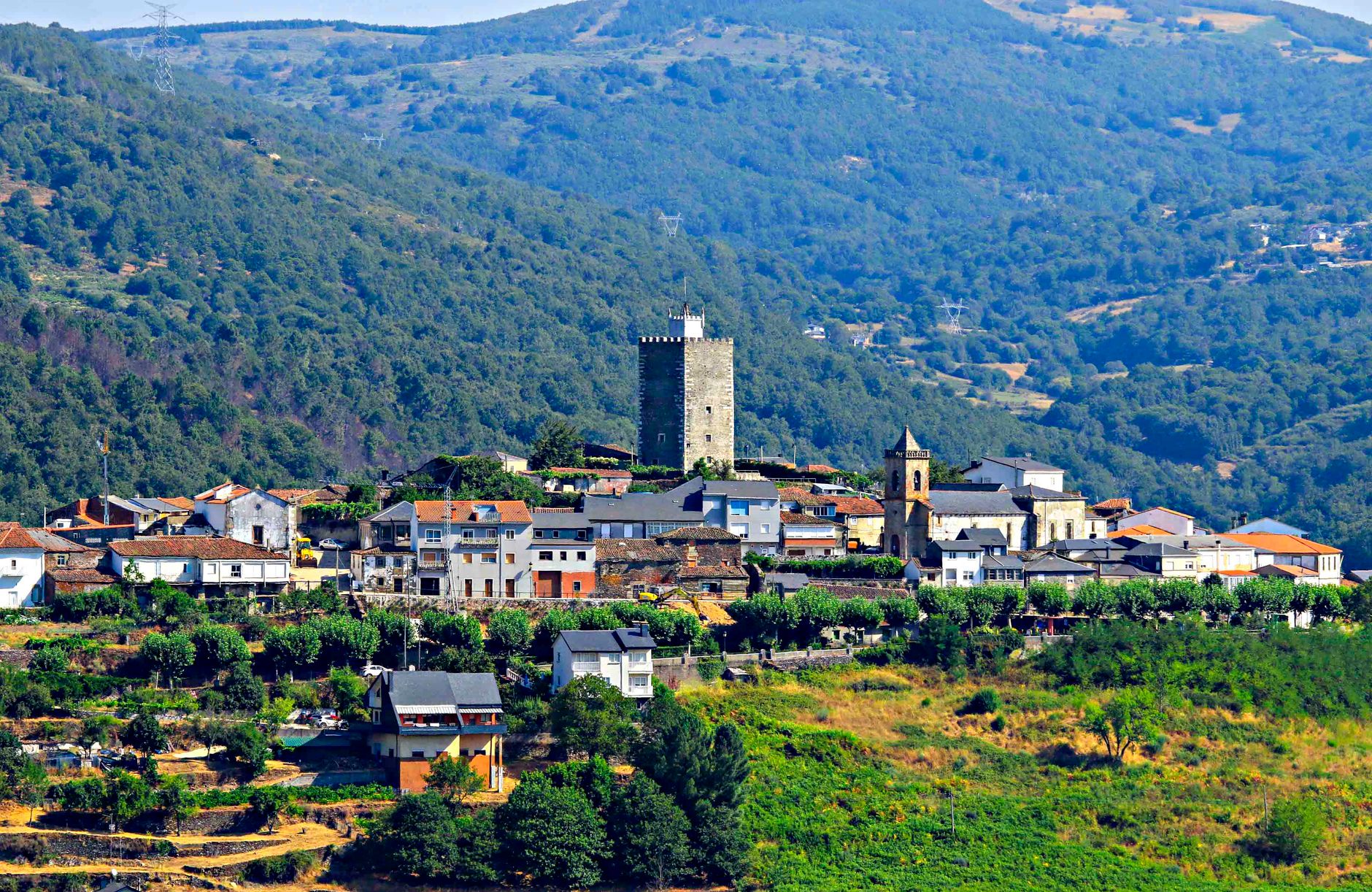
Galego, the language of Galicia, Spain, boasts a rich history and cultural significance. It's a Romance language closely related to Portuguese, sharing many linguistic features and a common origin. Despite historical suppression, Galego has experienced a resurgence in recent decades, with efforts to promote its use in education, media, and everyday life.
Embracing Galego: Practical Steps for Connecting with Galicia's Heart (Useful Phrases, Resources, Travel Tips)
To truly connect with Galicia, embracing its unique language, Galego, is an unparalleled experience. While Spanish is widely understood, even a few phrases in Galego can open doors and warm hearts. Start with essentials like Ola! (Hello!), Grazas (Thank you), and Por favor (Please). Don't be shy about trying; locals appreciate the effort! For deeper immersion, explore resources like the Real Academia Galega website, which offers dictionaries and grammar guides. Mobile apps specifically designed for learning Galego can also be incredibly helpful for on-the-go practice. Remember, the goal isn't fluency overnight, but rather a genuine desire to engage with the culture on its own terms, fostering more authentic and memorable interactions during your travels.
Beyond basic phrases, understanding some cultural nuances can significantly enhance your Galician journey. For instance, mealtimes in Galicia often run later than in many other countries, with dinner typically served after 9 PM. Don't rush; savor the experience! When it comes to dining, be sure to try local specialties like pulpo á feira (octopus fair-style) or a hearty caldo galego (Galician broth). Consider staying in a casa rural (rural guesthouse) for an authentic immersion into the Galician countryside and local life. These often provide opportunities to practice Galego with your hosts and gain invaluable insights into regional traditions. Ultimately, your willingness to step outside your comfort zone and engage with the language and customs will transform your trip from a simple visit into a profound connection with Galicia's vibrant soul.